The Rise and Cringey Fall of the Pick-Up Artist: What We Learned and What to Leave in the Past
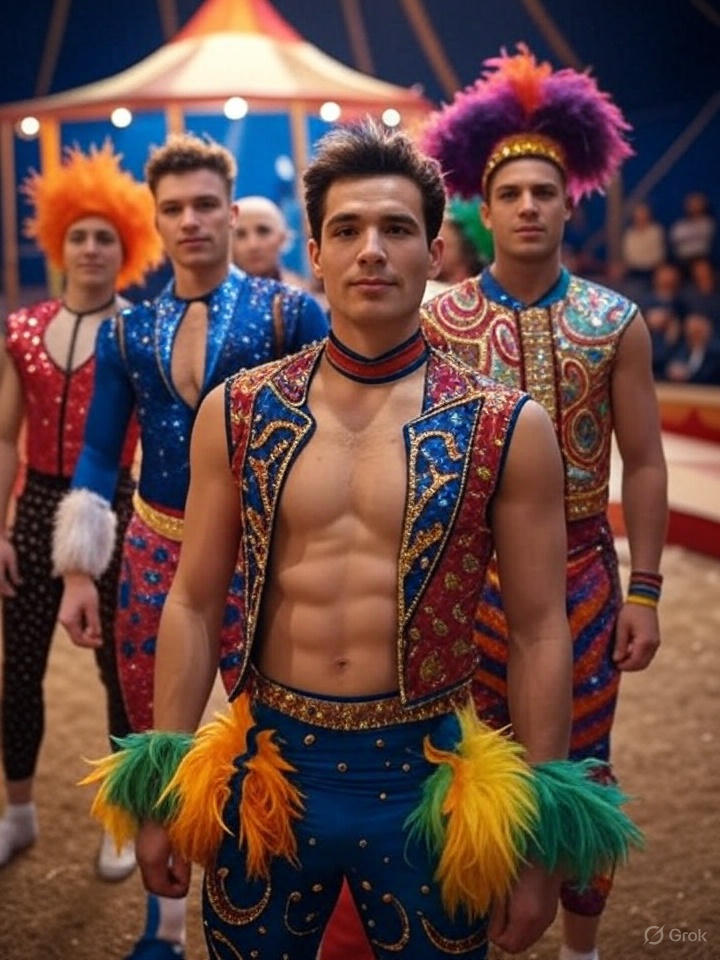
Let’s be real. If you’re a guy who’s spent any time online trying to figure out how to talk to women, you’ve stumbled upon the ghost of the Pick-Up Artist, or PUA. Maybe you’ve seen the ridiculous photos: guys in fuzzy hats, steampunk goggles, and feather boas, peacocking like they’re in a low-budget Cirque du Soleil show. Or maybe you’ve read excerpts from The Game, the book that turned a subculture of socially awkward nerds into a global phenomenon.
For a hot minute in the early 2000s, the PUA community was the answer for men who felt lost in the dating world. It promised a system, a science to attraction. It offered scripts, routines, and a secret language of “negs,” “kino,” and “IOIs” (Indicators of Interest). To a guy who froze up every time he saw a beautiful woman, this was a lifeline. It wasn’t about being a “natural”; it was about having a playbook.
But that era is dead. And frankly, good riddance. While the PUA movement tapped into a real need—men wanting to build confidence and social skills—its foundation was built on some seriously flawed, and often toxic, bullshit.
The Seductive Promise: Why PUA Culture Exploded
Before we tear it down, let’s understand the appeal. The PUA movement offered a solution to a genuine problem: male loneliness and social anxiety. Guys were told to “just be yourself,” but what if “yourself” was a nervous wreck who played video games 12 hours a day and hadn’t been on a date in years?
PUA gurus like Mystery and Style (Neil Strauss) provided a structured alternative. They broke down social dynamics into a step-by-step process.
- The Opener: A pre-written line to start a conversation without the fear of immediate rejection.
- Demonstrating Higher Value (DHV): Stories and behaviors designed to make you seem more interesting and successful.
- The Neg: A backhanded compliment or playful diss meant to momentarily lower a woman’s guard and make you stand out from the swarm of sycophantic nice guys.
For many, it worked… to an extent. It got them out of the house. It forced them to approach people and face their fears. It created a community of men who were all trying to improve themselves. The initial goal wasn’t necessarily malicious; it was about overcoming personal paralysis.
Where It All Went Wrong: The Detrimental Mindset
The problem wasn’t the desire for self-improvement. It was the methodology. The PUA playbook was less about genuine connection and more about psychological manipulation. It turned dating into a zero-sum game where one person had to “win.”
This is the core of the backlash that eventually dismantled the PUA empire. Critics, including feminist writers like Clarisse Thorn, pointed out years ago that the detrimental attitudes baked into the PUA community were its biggest failing. In a guest post discussing this very topic, the argument was made that PUA culture often promoted a mindset where women were not seen as individuals to connect with, but as targets to be “gamed” or puzzles to be solved.
This dehumanizing perspective was the poison pill at the center of the movement. It fostered a culture of:
- Deception over Authenticity: Instead of learning how to have a real conversation, men were taught to recite scripts. This created a generation of social robots who might get a phone number but couldn’t build a real rapport to save their lives.
- Manipulation over Connection: Tactics like negs are inherently manipulative. They’re designed to make someone feel slightly insecure so you can gain the upper hand. That’s not flirting; it’s emotional gamesmanship. It creates a dynamic built on a power imbalance, not mutual respect.
- An “Us vs. Them” Mentality: The PUA world was filled with jargon that framed women as the opposition. You had to “infiltrate her defenses,” “overcome her bitch shield,” and “handle LMR” (Last Minute Resistance). This adversarial language turns dating into a battle, not a collaboration.

Ultimately, the PUA was chasing external validation. The goal wasn’t to find a compatible partner; it was to rack up “notches” to prove his worth to himself and other men in the community. It was a hollow victory built on a foundation of insecurity.
The Post-PUA World: What Actually Works
So, if the old PUA playbook is trash, what’s the alternative? The answer is both simpler and harder. It’s not about finding the perfect “opener.” It’s about becoming the kind of person who doesn’t need one.
The modern approach to dating, the one that actually leads to success and fulfillment, is built on authenticity and genuine self-improvement.
- Build a Life, Not a Repertoire: Instead of memorizing stories to “demonstrate value,” go out and do valuable things. Pick up a real hobby. Get in shape because it makes you feel good, not just to look good for someone else. Focus on your career or your passion projects. Become an interesting person, and you won’t have to fake it.
- Focus on Social Skill, Not Social Strategy: Learn how to listen. Learn to ask engaging questions. Practice making small talk with the barista, the cashier, and people you have no intention of sleeping with. The goal is to become a genuinely social person, not just someone who can turn it on for a “target.”
- Be Authentic and Polarizing: The PUA playbook was about becoming a generic “alpha male” caricature. The real move is to be unapologetically yourself. Some people won’t like it. That’s a good thing. It weeds out the people you’re not compatible with, leaving room for the ones who are genuinely into you for you. Confidence isn’t about puffing your chest out; it’s about being okay with who you are.
- Replace “Game” with Empathy: Try to understand the other person’s perspective. Women aren’t alien creatures with a secret code. They’re people who want to feel safe, respected, and entertained, just like you. Ditch the adversarial mindset and approach every interaction with curiosity and respect.
The PUA movement was a cringe-filled, but perhaps necessary, chapter in the history of dating advice. It highlighted a real need but offered a cheap, unsustainable solution. We’ve learned from its mistakes. The future isn’t about picking women up; it’s about building a life so compelling that others—men and women alike—want to be a part of it. Leave the fuzzy hats in the past. Your real life is far more interesting.